
Does Your Brick Need Waterproofing at All?
Testing Someone Else's Quote?
Paste the lines you want checked. We call back and say whether this service, or a different one, answers them.
Scope of the Work
Waterproofing is sometimes sold as the fix for a leak it cannot stop. Repellent keeps rain from soaking into brick faces, but it will not close open joints, a cracked crown or loose flashing. We check those first and tell you if they need work. On sound brick we clean the surface and apply a repellent that still lets the masonry dry out from inside.
What a Repellent Does, and When It Is Worth It
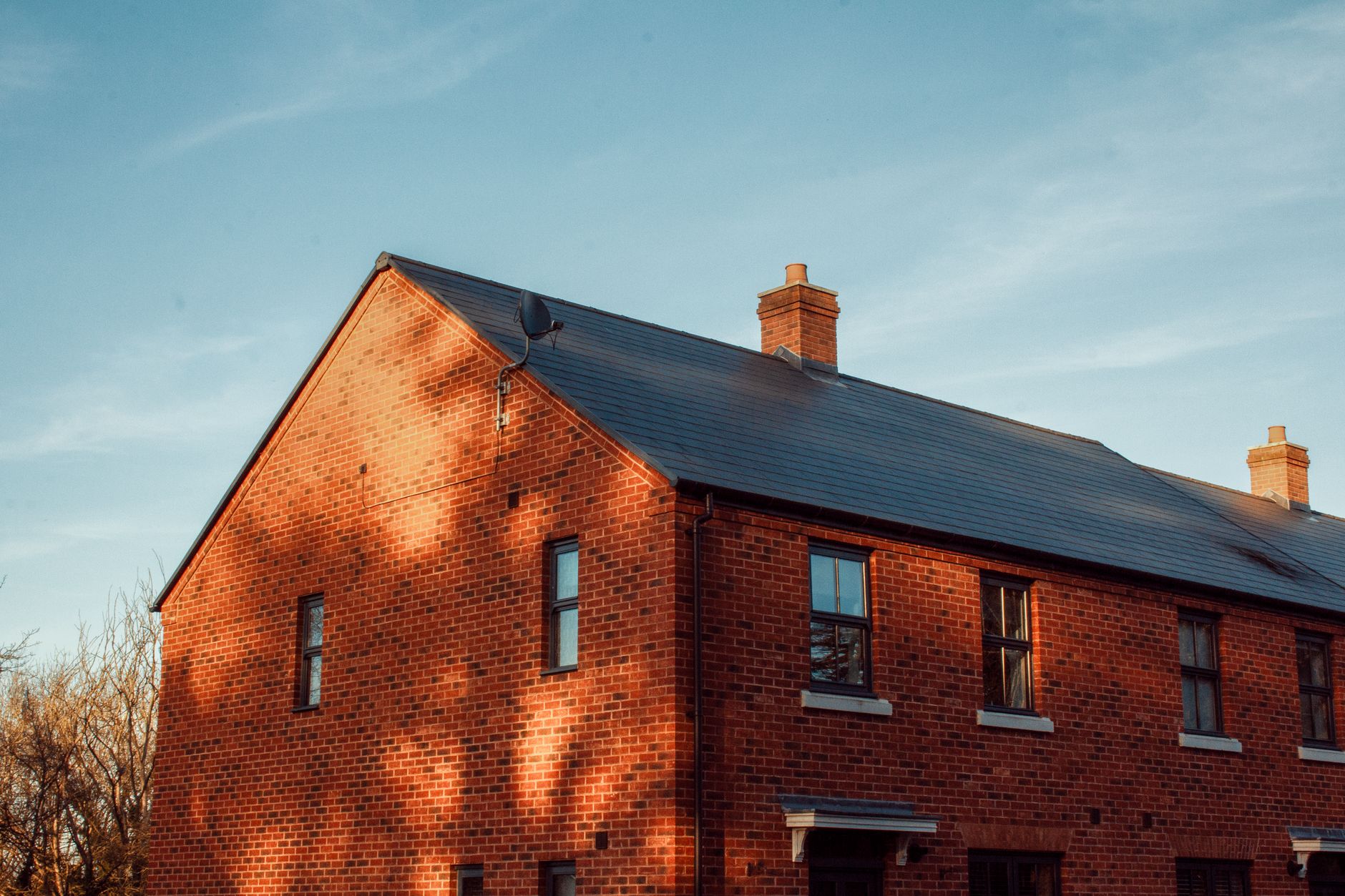
A chimney water repellent is a clear treatment taken up by the outer skin of the brick and mortar. Rain no longer wicks in, yet damp already inside can still escape as vapor. That second part matters. A paint or a plastic-style sealer traps water in the brick, and trapped water pushes the faces off from behind. So the right product is one made for masonry that breathes, not a general sealer from the hardware store. It earns its keep on chimneys with soft or porous brick, on faces that take the brunt of wind-driven rain, and on older stacks where water has already shown up as white salts or damp brick inside the attic. It does nothing for a cracked crown, open joints, failed flashing or a missing cap, which are the usual sources of leaks. Sold on its own as a leak fix, it rarely works.
With a short wet season and long dry months, many chimneys in Corona never need it, and we check before recommending it. We look for staining, white salts and spalled faces on the outside, damp or salts on the brick inside the attic, and rust on the damper. A simple water test on a small area shows how fast the brick drinks. If the brick sheds water well, the report says waterproofing is not needed and you can strike that line from your quote. If it drinks fast, we explain what a repellent would do for it and how long it tends to last. Either way we photograph what we tested, so the decision rests on your brick rather than a standard add-on, and you can show the same photos to whoever else is quoting the work.
Order of Work and What It Costs
Repellent goes on last. Any cracked crown is sealed or replaced, open joints are repointed, failed flashing is fixed and a missing cap is fitted first, because coating over an opening just traps water behind the treatment. Fresh mortar also needs time to cure before it is treated. When the masonry is ready, we clean the faces, protect the roof and nearby surfaces, and apply the repellent to the brick above the roof, which is the part that takes the weather. Some products darken the brick a little for a while or leave a slight sheen; we tell you which product we use and what to expect before it goes on. Lower brick sheltered by the roof and the house usually does not need treating, and we leave it alone unless the test showed it drinking water too.
Waterproofing has no published figure, because the price follows the area of brick to be treated, the height of the chimney above the roof and whatever repair has to happen first. The written price separates the repair items from the repellent, so you can see what each costs and decide whether the treatment is worth adding. If another company has folded waterproofing into a larger quote, we check whether your brick needs it and say so either way. Once applied, a good masonry repellent lasts several years before the brick starts drinking again, and the same quick test tells you when that has happened, so you are not paying to retreat brick that still sheds water. On chimneys with hard, dense brick and sound joints, that test may never call for it. We cover Corona, Diamond Bar, Walnut and Placentia.
Four Habits Behind Every Hendricks Chimney Experts Report
Look Before Verdict
Nothing is called a defect until it has been seen and photographed
Sorted by Urgency
Each item marked fix now, plan for later, or leave alone
Figures on Paper
A published price or a line-by-line written figure before any work
Portable Findings
Reports any contractor, buyer or insurer can read without us
Local pages for chimney waterproofing
Open your city to read how its housing stock and climate show up in our findings, and which nearby towns share the route.
That city is not on this list. Put the address on the contact form and we confirm coverage.
Other Services
Chimney Sweep
Bare tile photos after brushing and vacuuming, so any repair quote can be judged on evidence.
Read more →Chimney Inspection
A Level 1 look at firebox, flue and roof top, written up as urgent, can wait, or fine.
Read more →Chimney Repair
Repairs scoped from photos you see first, each one marked urgent, soon or optional.
Read more →Fireplace Inspection
Firebox, damper, hearth and smoke chamber examined from the room, with a photo for every finding.
Read more →Fireplace Repair
Firebox, damper and hearth fixes priced item by item after we show you the fault.
Read more →Chimney Level 2 Inspection
Recorded flue footage plus attic and roof checks, for a sale, a quake, a fire or a disputed finding.
Read more →Chimney Cap Installation
Caps fitted in stainless or copper, once we confirm the old one has truly failed.
Read more →Chimney Flashing Repair
Roof-line leaks traced to the metal, or ruled out, before any flashing is pulled.
Read more →Chimney Masonry Repair
Open joints, flaking faces and loose top courses repaired, with photos showing which bricks need it.
Read more →Chimney Rebuilds
Partial or full rebuilds, recommended only when photos show a repair will not hold.
Read more →Fireplace Cleaning
Firebox, glass and surround cleaned, then looked over so dirt is never sold to you as damage.
Read more →Gas Fireplace Cleaning
Burner, pilot assembly and glass serviced, with a carbon monoxide reading taken after relighting.
Read more →Gas Fireplace Repair
Pilot, valve, ignition and remote faults tested on the unit before any part is swapped.
Read more →Fireplace Remodel
Surround, hearth and mantel plans that start with a check of the firebox and flue behind them.
Read more →Fireplace Inserts
Wood or gas inserts with a full-height liner, sized after we confirm the firebox can take one.
Read more →Pellet Stove Repair
Auger, igniter, fan and board faults found with a meter, not by swapping parts until one works.
Read more →Wood Stove Repair
Door seals, baffles, firebrick and combustors renewed only where the stove has truly worn out.
Read more →Gas Logs
Gas log sets for a sound wood firebox, fitted once the box and flue have been checked.
Read more →Chimney Seismic Retrofit
Quake bracing, strapping or a lighter top section, chosen after we check how sound the brick is.
Read more →Chimney Crown Repair
Crown cracks photographed and graded, then sealed or the crown recast, depending on depth.
Read more →Dryer Vent Cleaning
Lint cleared from the full duct run to the outside hood, with airflow measured before and after.
Read more →Chimney Liner Installation
Stainless liners fitted when footage shows the flue tile cannot be trusted, sized to what it serves.
Read more →Chimney Leak Repair
Water traced to its single entry point with a sectional hose test, then fixed at that spot.
Read more →Chimney Damper Repair
Sticking, gapped or rusted dampers fixed in the throat, or swapped for a lid at the flue top.
Read more →Chimney Chase Cover
Rusted or sagging chase tops replaced with a stainless cover made to the box's own measurements.
Read more →