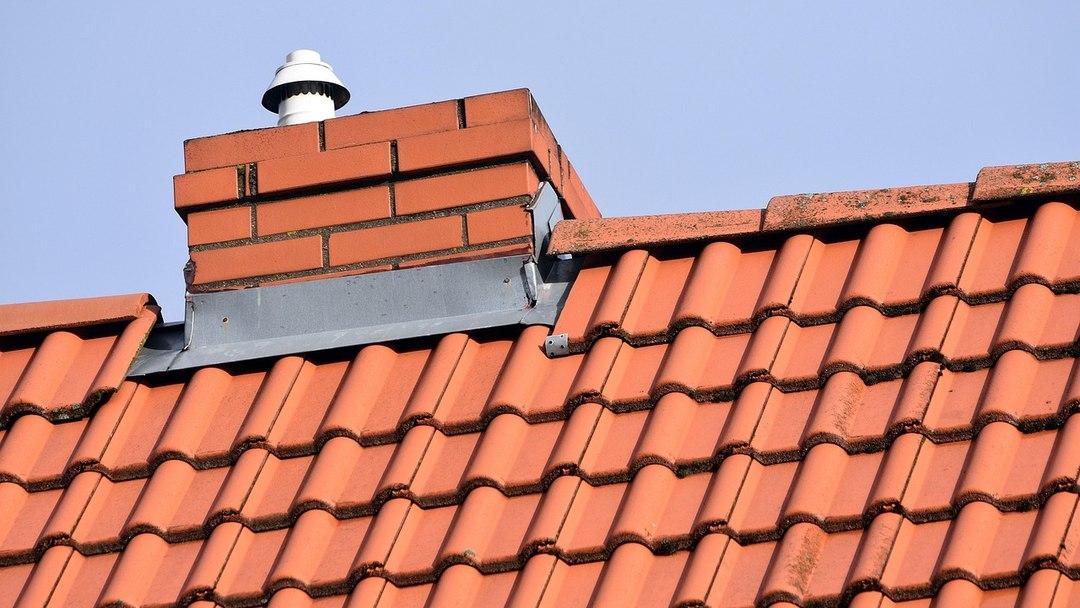
One crack, two very different quotes
Owners often bring us two quotes for the top of the same chimney. One company proposes a coating. The other wants to break the slab off and pour a new one, at several times the price. Both can be honest. They are answering different questions, and the photos of the top usually show which question applies to your house.
Hendricks Chimney Experts works from Corona, and this is one of the comparisons we are asked to settle most often. Our job on these visits is not to pick the cheaper bid. It is to tell you what the slab on your chimney can still do, and what it cannot.
What we look at up there
A crown fails in ways a photo from the yard cannot show. On the roof we check:
- how wide and deep the cracks run, and whether they go all the way through
- whether any piece rocks or lifts when pressed
- the shape of the top: a slope that sheds rain, or a flat pad where puddles sit after a storm
- whether the edge stops short of the brick face, so runoff streams straight down the masonry
- whether the slab is real concrete or a thin skin of mortar troweled on by a past owner
- whether the flue tile is locked solid into the slab with no room to expand
- what the brick under it and the attic below show: damp courses, white salt bloom, stains near the top
That list matters more than the crack itself. A wide crack in a solid, well-shaped slab can be a small job. A narrow crack in a thin, flat skin of mortar is often the visible end of a bigger one.
When a coating is the honest answer
If the cracks stay at the surface, the body of the slab is sound and its shape already throws water off, a crown coating is a fair fix. The product is brushed on thick and stays flexible, so it can stretch across a crack as the top heats and cools. It costs a fraction of a new slab, and it lasts when the concrete underneath is good.
The bid proposing it should say which cracks it covers and what was done to prepare the surface. A coating rolled over loose material or dirt peels within a season or two.
When the slab has to be replaced
If pieces are loose, the slab is a thin mortar skin, or it sits flat and holds water, coating it only hides the problem for a while. Replacement means taking the old top off down to sound brick, forming a new slab with real slope and an edge that throws water past the masonry, and leaving a flexible break around the flue tile so heat can move it without cracking the new work. That is a mason's day or more, and the price shows it.
When neither quote fits
Sometimes both bids miss. Two cases come up again and again:
- The brick under the top is loose. Pouring a new crown on courses that move is wasted money. The first step is masonry repair or a partial rebuild, and the crown follows.
- The water is not coming from the crown at all. Flashing, a missing cap or porous brick can all leave a stain that gets blamed on the top. Our post on two leak bids with two answers covers how we sort that out.
What sets the price of crown work
We do not publish a crown figure. Each top gets a written price once we have stood on the roof, measured it and seen what lies under it. The figure turns on how large the top of the stack is, how many tiles pass through it, whether the old slab breaks away clean or takes brick with it, the kind of roof we have to work from, and whether a new cap goes on afterward. Concrete tile, common on Corona homes, needs boards and care to walk, which adds time. If a cap is part of the plan, it is quoted on site, and flue size and metal set the price.
When the crown claim rests on what happens inside the flue, such as tile cracking where it meets the slab, a camera visit settles it. A Level 2 inspection is $375.
Ask us to judge the crown on your quote and tell us which approach each bid proposes; we will check the top against both.
Corona sun and the life of a crown
Inland summers here bake the top of the chimney well past what the rooms below feel, and winter storms then drive rain into anything that opened. That swing, year after year, is why crowns in Corona crack even when the rest of the stack looks fine. Fall Santa Ana winds add grit and pressure on the weather side. A crown that sheds water and has room to move handles that cycle; one that holds puddles does not.
What you get from us
A short report on the top of the chimney: photos of each crack and the edge, a note on what the slab is made of, our view on coating versus replacing, and anything else on the top that the bids missed. If you want a price from us for the work, that comes separately. Our crown repair page lists what the job includes.
If two crown quotes are sitting on your desk, send a note through our contact page saying which approach each one takes, and we will arrange a visit to the roof.
Holding Paperwork Like the One Above?
Hendricks Chimney Experts works from Corona. We look at the chimney behind the report, photograph each item it names, and tell you which ones need work now, later or not at all.