Each trade finds its own trade
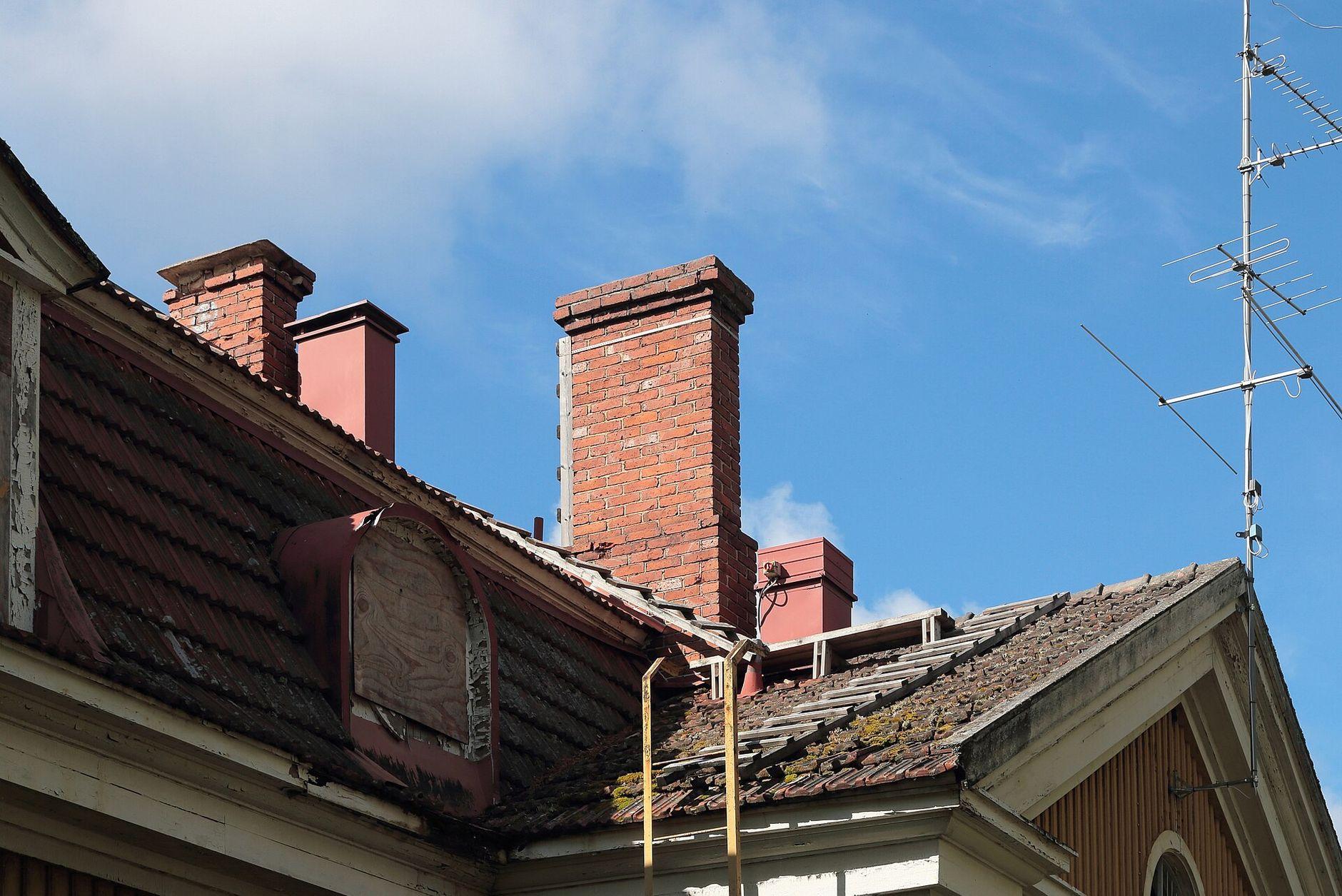
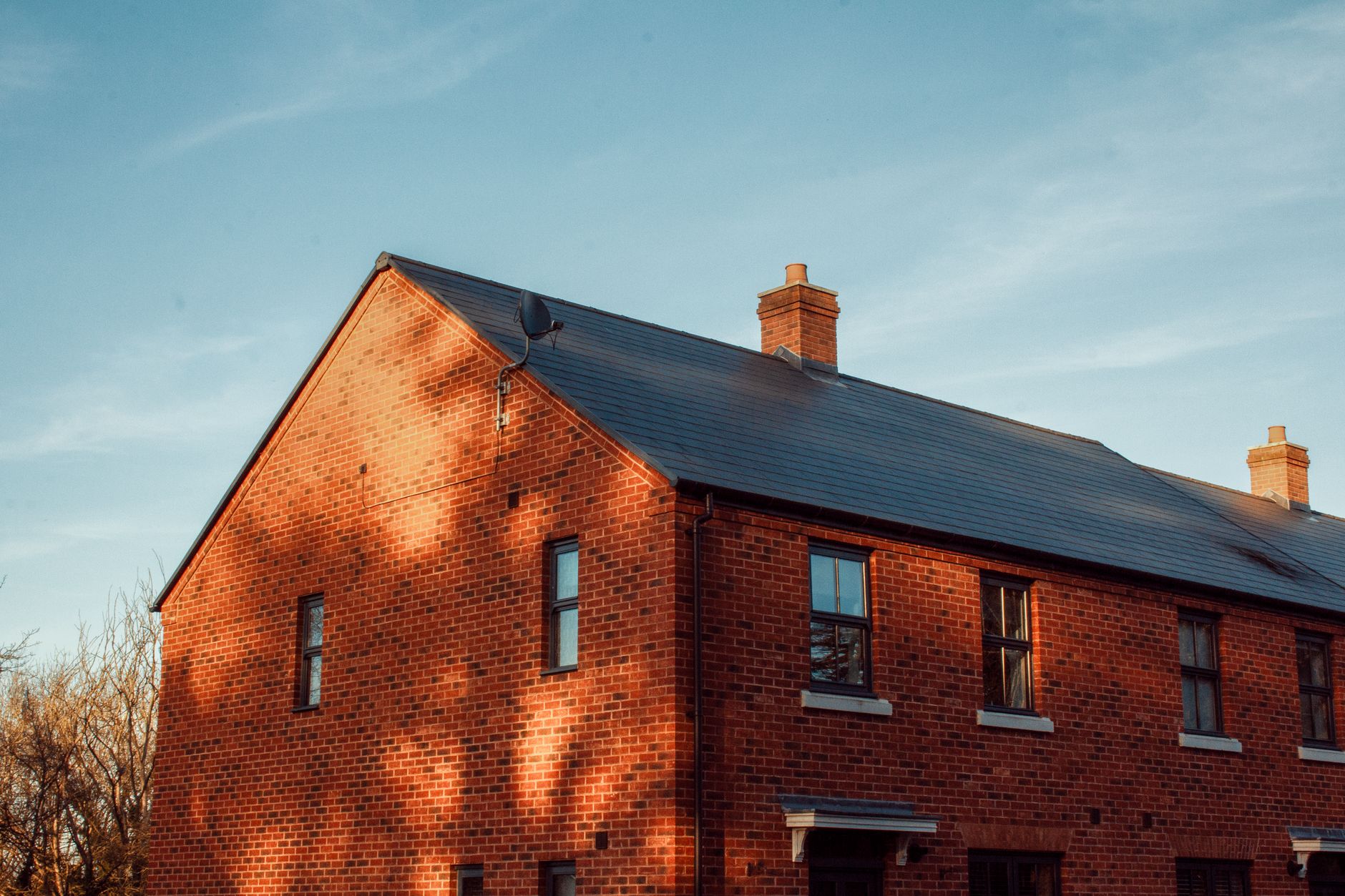
A stain near the fireplace after a storm tends to draw more than one bid. The roofer points at the metal where the chimney meets the shingles or tile. The mason points at the brick. The sweep points at the cap. Each sees the part they repair, and each may be partly right, which is exactly why owners end up holding two or three quotes that do not agree.
Hendricks Chimney Experts is based in Corona and does not start from any one trade's answer. We trace the water back to where it enters, show you the evidence and then say which of the bids, if any, would stop it.
Where water gets into a chimney
We check every one of these on a leak visit, because more than one can be at work:
- The top. A missing or damaged cap, or a cracked top slab, lets rain into the flue or the brick from above.
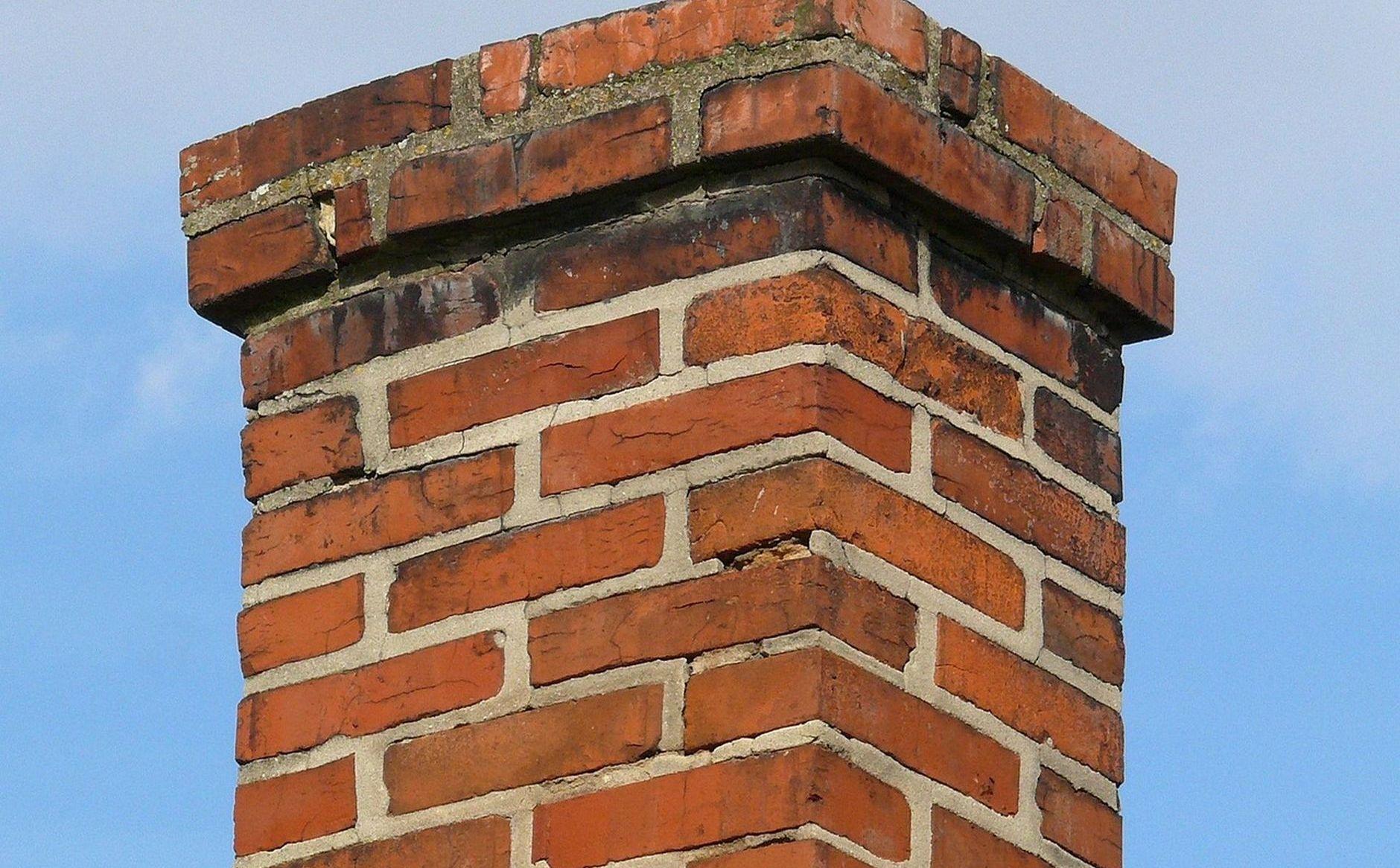
- The brick and mortar. Porous brick and open joints soak up wind-driven rain and pass it inward.
- The joint with the roof. Flashing that has lifted, rusted or was never cut into the brick properly lets water slide behind it.
- The uphill face. On a wide chimney set across a slope, water and debris collect against the high side and work under the metal there.
- A framed chase. On metal fireplaces boxed in wood, a rusted or dished cover funnels water inside the box.
- Something next door. A roof valley, a skylight or a vent boot near the chimney can leak and leave a stain that gets blamed on the brick.
How we narrow it down
We start inside, at the stain, and note exactly where it sits against the chimney. Then the attic: wet wood, drip marks and the path the water took. Then the roof, side by side with what the attic showed. Timing helps too. A leak that only shows in storms blowing from one direction points somewhere different from one that appears after every rain.
If the attic and the roof still disagree, we test the suspects with a hose in a set order and record what each test showed. When the flue or the inside of a chase is involved, a Level 2 inspection at $375 lets us see the inside with a camera.
What the usual fixes cost here
These are the leak-related jobs we price in advance, in the order we tend to find them:
- Finding where water enters and sealing that point: $535 to $3,200
- A sloped saddle built on the uphill face: $425 to $960
- That saddle together with new metal at every roof joint: $640 to $1,600
Crown work, flashing replaced on its own, chase covers and water repellent each get a written price once we have seen them, because their size changes too much from house to house for a printed range to mean anything. A new cap fitted to the flue is quoted after we measure. The low end of the leak range fits a single, easy entry point. The upper end fits leaks fed from several places at once, or a roof that is hard to work on.
Ask us to trace the leak behind your bids and tell us when the stain appears and which fix each company proposed.
Comparing the bids you already have
Put two questions to each bid. Which entry point did they find, and how did they show it? A bid that names the joint and includes a photo of it is worth more than one that lists four fixes at once. Four fixes at once may stop the leak, but you will never know which one mattered, and you will pay for all four.
Also ask what happens if the stain returns. A fair answer explains what the next test would be. A vague answer suggests the first one was a guess.
Finally, look at what each bid leaves out. A roofer's quote that never mentions the brick, or a mason's quote that never mentions the metal, may be accurate about its own trade and silent about the actual source. When we lay our findings beside both bids, the gaps between them are often where the water was getting in all along.
Corona weather and leaks
Rain in Corona arrives in a handful of strong winter storms rather than steady drizzle, often after a long dry spell. Flashing and sealants that dried and shrank through a hot summer meet a lot of water all at once. Fall Santa Ana winds can lift caps and loosen metal before the first storm arrives. A leak that never showed last year can appear after one windy fall.
Concrete tile roofs, common across Corona, add their own issue: water can travel under the tiles some distance from where it first gets in, so a stain beside the chimney does not always mean the chimney is at fault. That is part of why we look at the roof around the stack, not only the stack.
What you receive
A report with photos of the stain, the attic path and the entry point we found, plus a note on any other weak spots that are not leaking yet. If you want us to make the repair, the price comes as a separate written quote. Our leak repair page and our waterproofing page describe those jobs, and our post on crown patch or a new crown covers the top of the chimney in more depth.
Water on the ceiling and quotes that disagree? Describe the stain and the bids on our contact page, and we will set up a visit to find where the water actually comes in.
Holding Paperwork Like the One Above?
Hendricks Chimney Experts works from Corona. We look at the chimney behind the report, photograph each item it names, and tell you which ones need work now, later or not at all.